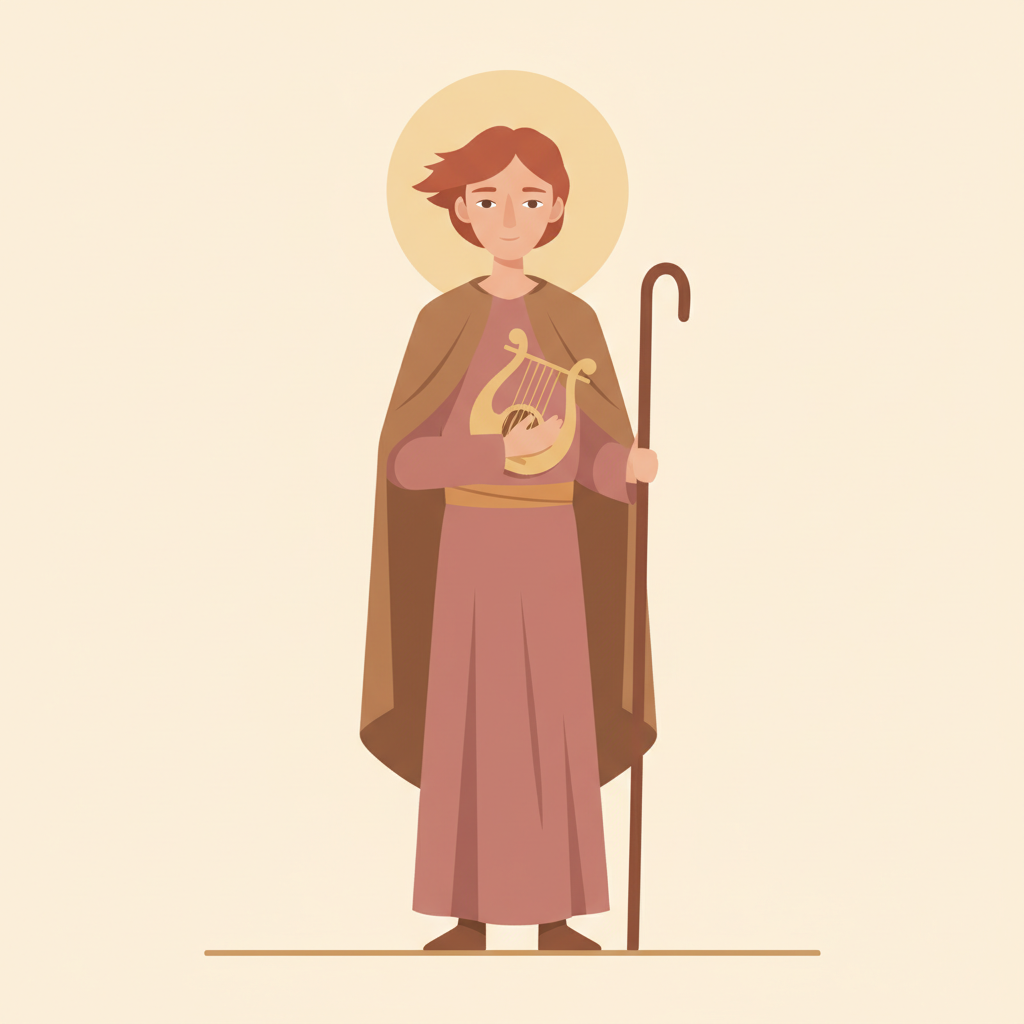
Devoted
Relational
The Shepherd
Leading with compassionate care
Leading with compassionate care
Before David wore a crown, he wore the dust of the fields. Before he led armies, he led sheep. And in those quiet years on the hillsides of Bethlehem, God was shaping a heart that would become the standard for all of Israel. David is your biblical companion because he understood that true leadership flows from tender care.
David did not seek the spotlight. When Samuel came to anoint a king, David was not even invited to the gathering. He was out with the sheep, doing the unglamorous work of protection and provision. Yet this was precisely where God had been preparing him. In defending his flock from lions and bears, David learned the courage that would later face Goliath. In knowing each sheep by name, he developed the intimacy that would mark his relationship with God.
The Psalms reveal a man who felt deeply. David wept over his failures, danced before the ark with abandon, and cried out to God in the night watches. He did not hide his vulnerability; he made poetry of it. This is the shepherd heart: strong enough to protect, tender enough to weep, honest enough to confess.
David was not perfect. His failures were spectacular and public. Yet even in his darkest moments, he turned back toward God with genuine repentance. He understood that being a shepherd meant being shepherded first. The one who leads must also be led.
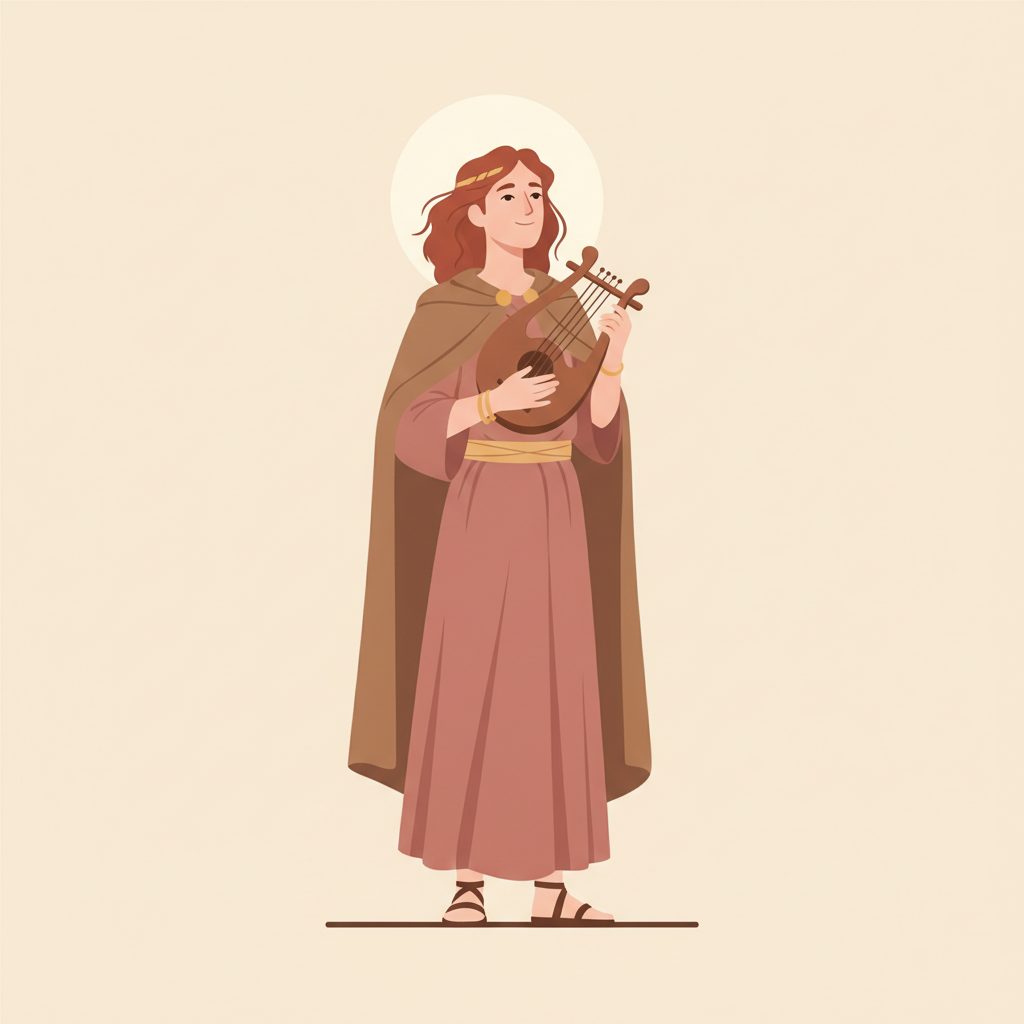
David understood that true leadership flows from tender care. Before he led a nation, he tended sheep. His story reveals that the heart of a shepherd is formed in the quiet, unseen places.
"The Lord is my shepherd, I lack nothing. He makes me lie down in green pastures, he leads me beside quiet waters, he refreshes my soul."
David wrote these words from experience. He knew what it meant to be both shepherd and sheep. Before you can care for others well, you must know what it is to be cared for. Let yourself be led to quiet waters.
"Your servant has been keeping his father's sheep. When a lion or a bear came and carried off a sheep from the flock, I went after it, struck it and rescued the sheep from its mouth."
David protected his flock at personal risk. This is the shepherd instinct: when those in your care are threatened, you move toward the danger, not away from it. Your protective heart is a gift.
"Create in me a pure heart, O God, and renew a steadfast spirit within me."
Even the greatest shepherd needs restoration. David knew that confession was not weakness but the path back to wholeness. Your willingness to be honest about your failures is part of what makes you trustworthy.
The gift of mercy allows you to feel the pain of others and respond with compassion rather than judgment.
In Action: You notice the person sitting alone. You remember birthdays and anniversaries of loss. You stay present when others grow uncomfortable and leave.
The gift of pastoring is the ability to provide long-term spiritual care and guidance.
In Action: You check in months after the crisis has passed. You remember the details of people's stories.
The gift of encouragement allows you to see potential and call it forth.
In Action: You write notes that people keep for years. You remind others of their gifts when they have forgotten.
Discernment and Leadership are gifts that are emerging in you. As you grow, these will complement your natural pastoral heart.
With intentional cultivation, you may develop the courage to speak truth even when it is uncomfortable, combining your compassion with the clarity people need.
The healthiest Shepherds lead from fullness, not emptiness. You learn that boundaries are not selfishness but stewardship. You discover that receiving care is not weakness but wisdom. And you find that God is the true Shepherd; you are simply an under-shepherd who needs the same tending you give to others.
As a Relational expression, your prayer life comes alive through connection and intercession.
Praying with and for a trusted partner draws on your relational strengths. You find God most naturally in the space between two hearts turned toward heaven together.
Walk through your neighborhood or community, praying for the people behind each door. Your shepherd heart will find deep purpose in covering your flock with prayer.
Gather a small group to share specific thanksgivings. As a Shepherd, you create the safe space that allows others to name their blessings openly.
Even Shepherds need to be alone with the Good Shepherd. This practice invites you to bring your own needs, not just the needs of others, before God.
The Prophet knows that truth, even when it stings, is a form of respect. It says, "I believe you can handle this. I believe you can grow." Your compassion does not have to mean silence.
Take the full 50-question assessment to unlock personalized devotionals, a premium report, and daily growth tailored to your Shepherd heart.
Download Free on the App Store